





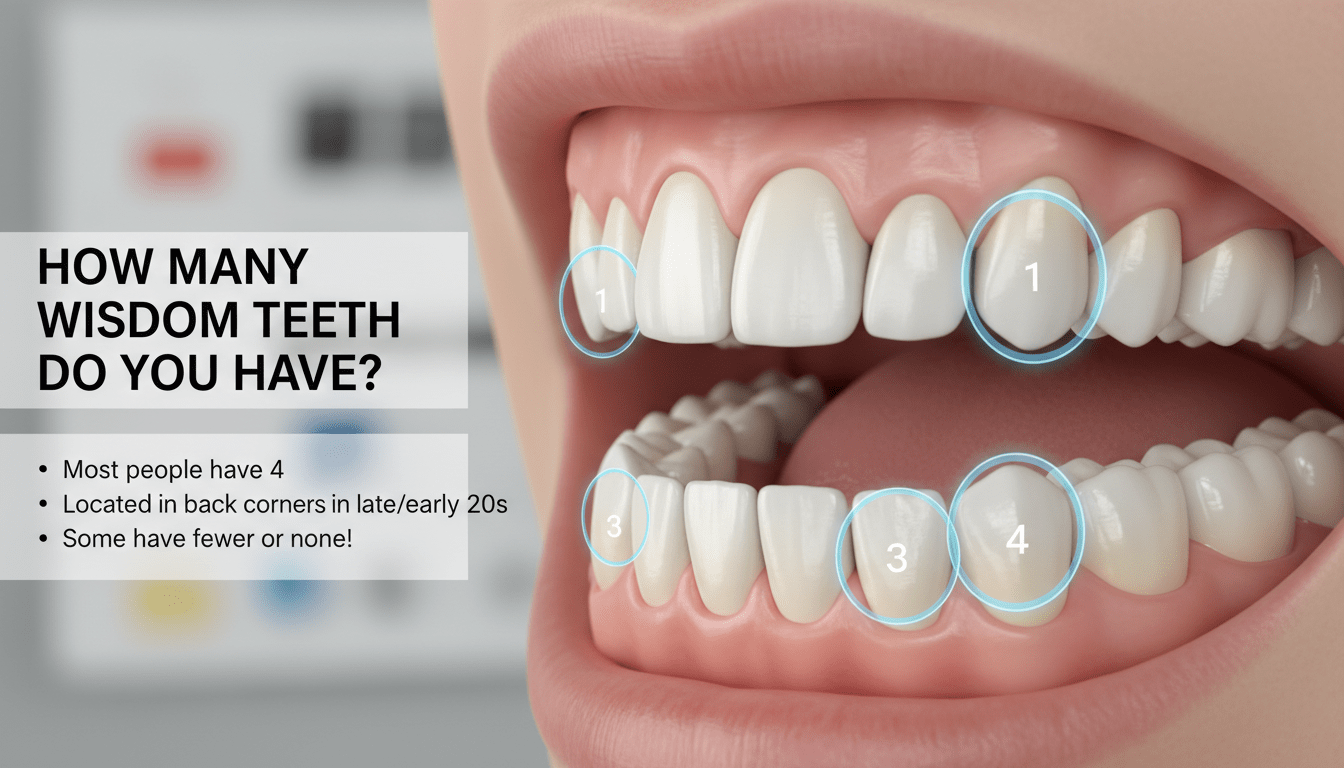

Have you ever wondered about those extra teeth in the back of your mouth? Many people ask, “how many wisdom teeth do you have?” The standard answer is usually four. Most adults have one in each corner of their mouth. These are your third molars. They often show up during your late teens or early twenties. While four is the most common number, everyone is unique. Some lucky people are born without any! Others might have only one or two. It is truly fascinating how our bodies grow. Understanding your own mouth is the first step toward keeping your smile healthy and strong for life.
Why Are They Called Wisdom Teeth?
The name sounds fancy, right? These teeth earned their nickname because they arrive when you are older. You are usually considered “wiser” by the time they erupt. Long ago, these extra molars helped humans chew tough roots, nuts, and meats. Back then, people had larger jaws that could fit these extra teeth easily. Today, our diets are much softer. Many people do not need them for chewing at all. They are essentially leftovers from our ancestors. Learning how many wisdom teeth do you have can help you understand your own dental history and needs.
When Do Wisdom Teeth Usually Appear?
Wisdom teeth generally make their grand entrance between the ages of 17 and 25. This time is often called the “age of wisdom.” You might not even know they are there at first. Sometimes they grow in straight and cause zero problems. Other times, they can be a bit sneaky. If you feel pressure in the back of your jaw, they might be starting to push through. It is smart to pay attention to your mouth during these years. If you are not sure, a quick trip to the dentist will give you a clear answer.
What Are Impacted Wisdom Teeth?
An impacted tooth is one that gets stuck. It does not have enough space to break through your gums. Because the jaw is often too small, the tooth might grow sideways. This can push against your other healthy teeth. This is a common reason why people wonder how many wisdom teeth do you have and if they need removal. Impacted teeth are hard to clean. Because of this, they can lead to small holes in your enamel. If you feel sudden pain or swelling, it is time to call your dentist for help.
Common Symptoms of Wisdom Teeth Problems
Your mouth will often tell you if something is wrong. You might notice pain in the back of your jaw. Sometimes, your gums look red or swollen. A bad taste in your mouth is another big sign. Some people even have trouble opening their mouth wide. These signs mean it is time to check how many wisdom teeth do you have. Please do not ignore these feelings. Early detection helps prevent bigger problems later. Taking care of your mouth now saves you a lot of discomfort and worry in the future.
How Dentists Check Your Wisdom Teeth
A dentist is your best friend when it comes to oral health. During a routine check-up, they will look at your mouth. They often use a special X-ray called a panoramic scan. This picture shows your whole jaw at once. It makes it very easy to see how many wisdom teeth do you have. The X-ray shows if they are growing straight or if they are hiding under the gum. It is a painless and fast process. Knowing what is happening under the surface helps you make the best choices for your teeth.
Do Everyone Need Theirs Removed?
Not everyone needs to get their wisdom teeth pulled. If you have plenty of room in your jaw, you might be fine. Some people live their whole lives with all four teeth intact. The key is keeping them clean. Because they are so far back, they are hard to reach with a toothbrush. If you can keep them healthy and free of disease, they can stay. However, if they cause crowding or pain, a dentist might suggest taking them out. Each person is different, so talk with your trusted dental professional.
The Process of Wisdom Tooth Removal
If you need to have them removed, please do not be scared. It is a very routine procedure. Your dentist or an oral surgeon will make sure you are comfortable. They use medicine to numb the area so you do not feel pain. The doctor gently removes the tooth and closes the gum. It usually takes less than an hour. You might feel a little tired afterward, but you will heal quickly. Most people are back to their normal routine in just a few days. It is a small step for a healthier smile.
Taking Care of Your Mouth After Surgery
Recovery is all about being gentle with yourself. You will need to eat soft foods for a few days. Think about cool smoothies, yogurt, or mashed potatoes. Avoid using a straw, as the suction can hurt your healing gums. Keep your head propped up with pillows to reduce swelling. Most importantly, follow the instructions your doctor gives you. If you keep the area clean and take it easy, you will feel much better very soon. Your smile will thank you for being so careful and patient.
The Benefits of Removing Problematic Teeth
Getting rid of bad wisdom teeth can be a huge relief. It stops the pain and prevents future issues. It also protects your other teeth from being pushed out of line. Many people find that their jaw feels much more relaxed after the procedure. It is a great way to invest in your long-term dental health. While the idea of surgery can be nerve-wracking, the result is a clean and healthy mouth. Now that you know how many wisdom teeth do you have, you can feel confident about your dental care plan.
Tips for Keeping Your Back Teeth Clean
Even if your wisdom teeth are healthy, they need extra love. Because they are so far back, your regular brush might miss them. Try using a smaller, round-headed toothbrush. It can reach those tight corners much easier. Make sure to floss behind the last tooth, too. This removes hidden bits of food that cause cavities. If you are ever unsure, ask your dentist to show you the best way to reach those spots. Consistency is the secret to a bright and healthy smile that lasts forever.
Frequently Asked Questions
1. Can I have more than four wisdom teeth?
Yes, it is rare, but some people have “supernumerary” teeth. These are extra teeth that grow beyond the normal set of four.
2. Does everyone get wisdom teeth?
No. Some people are born without any wisdom teeth at all. It is a natural variation in human development.
3. Is the removal process very painful?
With modern medicine, you will not feel pain during the surgery. Afterward, there may be some soreness, but it is easy to manage.
4. How do I know how many wisdom teeth do you have?
The best way to know is to visit your dentist. They can take a quick X-ray to see exactly what is in your jaw.
5. At what age should I worry about them?
Most dentists start checking during your teenage years. If you reach your mid-twenties without issues, you are likely in the clear.
6. Can wisdom teeth cause headaches?
Yes, if they are impacted or crowded, they can put pressure on your jaw, which sometimes leads to headaches or ear pain.
Conclusion
Knowing how many wisdom teeth do you have is a great part of understanding your body. Whether you have four, two, or none, keeping your mouth clean is always important. Don’t let fear keep you from visiting your dentist. They are there to help you maintain a beautiful smile for a lifetime. If you have concerns, book an appointment today. Taking action now keeps your smile bright, healthy, and happy! Do you have any questions about your own dental health? Feel free to ask or share your experiences in the comments below!