






When looking back at history, many people ask: how many people did obama deport? It is a common question because immigration is a big, complex topic. During his eight years in office, the administration used specific rules to manage people coming into the country. Understanding these numbers helps us see how different leaders handle immigration policies. This article will break down the data to give you a clear and simple picture of what happened during those years.
The Facts About Obama’s Immigration Record
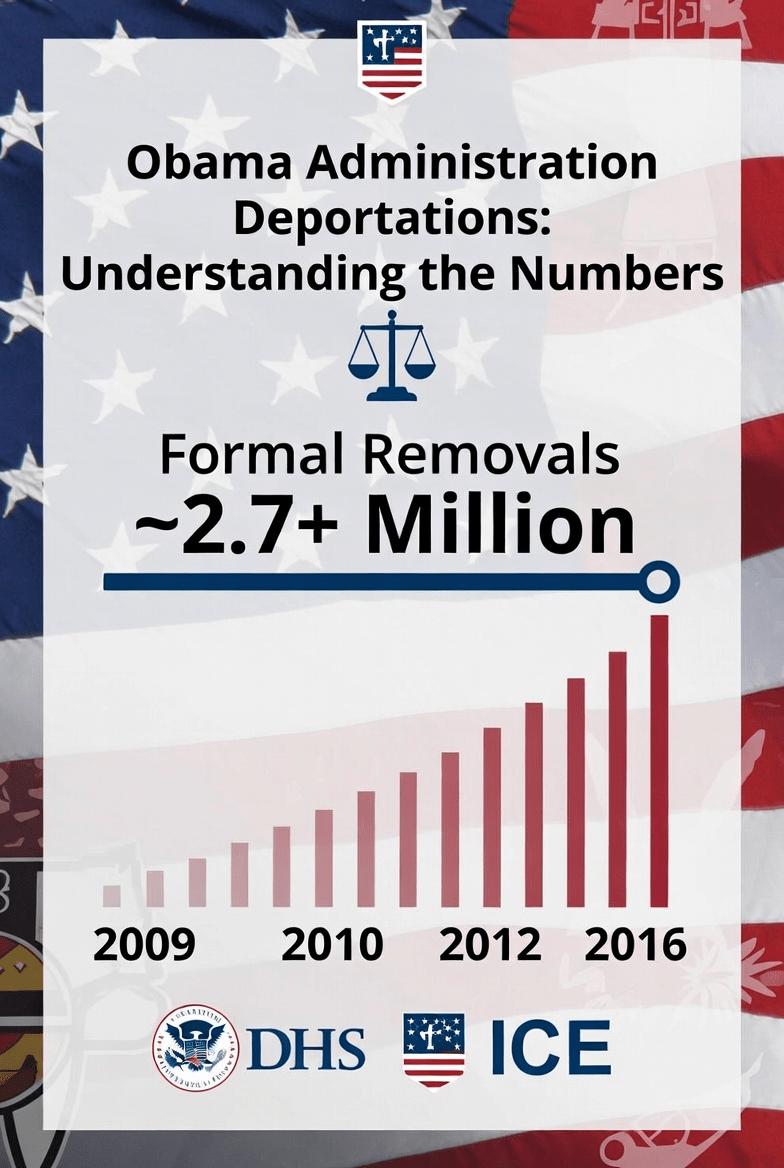
It is important to look at the real data when asking how many people did obama deport. Official records show that during his two terms, the government removed about 2.7 million people. These numbers were very high at the start of his presidency. In fact, many experts note that this was a period of very active enforcement at the border. Many people often wonder why the numbers were so high, and the answer usually points to how the government tracked and processed those who crossed without permission.
Why Did the Numbers Peak in 2012?
You might wonder why the numbers changed so much during his time in office. The year 2012 was a very busy time for immigration enforcement. In that specific year, there were over 400,000 removals. This was the peak of his administration’s activity. Many groups and critics watched these numbers closely as they climbed. Because of these high totals, some activists gave him a tough nickname. They called him the “deporter-in-chief” to show they were unhappy with the way policies were being carried out across the country.
Understanding the Difference: Removals vs. Returns
When people ask how many people did obama deport, they are often talking about “removals.” A removal is a formal legal process. Before Obama, many people were simply “returned” to their home countries. This was a quicker process. However, the Obama administration shifted the focus to formal removals. This change is a huge reason why his totals look higher than those of leaders before him. By choosing formal removals, the government created a longer, more official record for each person processed at the border.
The Shift in Enforcement Priorities
As time went on, the rules for who should be removed started to change. By his second term, the administration wanted to focus on specific groups. They prioritized removing people who had serious criminal records or who were new arrivals. This was meant to use government resources more wisely. They felt it was better to focus on safety rather than just total numbers. This change led to a drop in the yearly count after 2012, as the focus moved away from non-criminals.
Impact of the DACA Program
One of the most famous parts of his legacy is the DACA program. This program helped young people who came to the U.S. as children. It provided them with protection from being sent away and allowed them to work. While this didn’t change the total number of people who were removed, it showed a shift in his goals. He wanted to help people who had grown up in American communities. This program was a way to balance strict laws with a more human approach.
🔴 MUST READ:
Comparing Obama to Other Presidents
It is helpful to compare these numbers to others to see the whole story. Every leader has a different style when managing the border. While Obama’s total numbers were high, the way they were counted was different than in the past. Older methods used more “voluntary returns,” which were not always counted the same way as formal removals. When you see charts showing the history of immigration, you must check if they are comparing apples to apples. Data can sometimes be tricky to read.
How Border Security Changed Over Time
Border security was a major part of the conversation during these years. The government used new technology and more agents to watch the border closely. This made it much harder for people to cross without being stopped. Because more people were stopped at the border, the number of formal removals stayed high for a long time. This was a very different strategy compared to how things were done in the 1990s or early 2000s.
The Role of Local Law Enforcement
Another big change was how the federal government worked with local police. Programs like “Secure Communities” were expanded. These programs meant that if someone was arrested by local police, their fingerprints were automatically checked by immigration agencies. This process made it much easier for the government to find and process people. It was a major part of the strategy that led to the high removal numbers reported by news outlets and researchers.
The Reality of Interior Enforcement
Interior enforcement refers to removing people who are already living inside the country. Under the Obama administration, these numbers actually went down after the first few years. Once the new priorities were set in 2014, agents were told to focus on those who posed a real threat. This meant that someone who had lived here for a long time and was working hard was much less likely to be a priority for removal. It was a clear effort to be more targeted.
Future Outlook on Immigration Policy
Looking at the past helps us understand the future. Immigration is a topic that changes with every new administration. By learning about the past, you can see how policy choices affect real families. Whether the numbers are high or low, there is always a deep human story behind every statistic. We hope this look back helps you understand how the government manages these complex issues.
Comparison Table: Yearly Deportation Trends
| Year | Total Removals | Primary Focus |
| 2009 | 389,834 | General Enforcement |
| 2010 | 392,862 | Border Security |
| 2011 | 396,906 | Secure Communities |
| 2012 | 409,849 | Peak Enforcement |
| 2013 | 368,644 | Shifting Priorities |
| 2014 | 315,943 | Criminal Threats |
| 2015 | 235,413 | Targeted Removals |
| 2016 | 240,255 | Targeted Removals |
Frequently Asked Questions
1. How many people did Obama deport in total?
Over his eight years in office, the administration carried out about 2.7 million formal removals.
2. Why were the deportation numbers so high under Obama?
The administration focused on “formal removals” rather than “voluntary returns,” which increased the official count.
3. What was the “deporter-in-chief” nickname?
Activists used this name to criticize the high number of removals that occurred during the first few years of his presidency.
4. Did Obama deport more people than other presidents?
The count depends on how “removal” is defined, but his administration had very high numbers of formal removals compared to many predecessors.
5. How did DACA help people?
DACA protected young people who arrived as children, allowing them to live and work in the U.S. without fear of removal.
6. Did the focus change during his presidency?
Yes, by 2014, the administration shifted its focus to prioritize removing people with serious criminal records.
Conclusion
Learning about history is a great way to stay informed! By exploring how many people did obama deport, you have gained a better understanding of how immigration policies work. It is a big topic with many layers. If you found this information helpful, please share it with others or leave a comment below to keep the conversation going!